


Medical Emergencies in a Dental Practice: Comprehensive CPD Training
Medical Emergencies in a Dental Practice: Comprehensive CPD Training
Medical Emergencies in a Dental Practice is an advanced CPD training course designed to equip dental professionals with the knowledge, skills, and confidence to respond effectively to acute medical incidents in clinical settings. Although medical emergencies are relatively uncommon in dentistry, when they occur they demand immediate, structured, and competent action to protect patient safety and professional accountability.
This course addresses the clinical, ethical, and regulatory responsibilities associated with managing medical emergencies in a dental practice. It supports dental teams in meeting and exceeding professional standards by reinforcing evidence-based emergency protocols, clear decision-making pathways, and effective team coordination during high-pressure situations.
About the Medical Emergencies in a Dental Practice Course
The Medical Emergencies in a Dental Practice CPD course is specifically designed for dental professionals working in primary and secondary care environments where patient medical risk must be managed safely and efficiently. The course is suitable for dentists, dental nurses, dental hygienists, dental therapists, practice managers, and other clinical staff who may be involved in patient care or emergency response.
The training focuses on the real-world challenges faced in dental settings, where patients may present with complex medical histories, heightened anxiety, or underlying systemic conditions. Emphasis is placed on recognising early warning signs, initiating appropriate first-line responses, and working as a coordinated team until further medical assistance is available. By combining theoretical understanding with practical application, the course strengthens clinical readiness and supports safer outcomes for both patients and staff.
What You’ll Learn
Understanding Medical Emergencies in Dental Settings
This section explores what constitutes a medical emergency in a dental practice, including common definitions, categories of emergencies, and the physiological mechanisms underlying acute medical events. Learners will develop a clear understanding of how dental procedures, stress, and existing medical conditions can contribute to sudden deterioration in a patient’s health.
Clinical Relevance and Risk Factors
Participants will examine why medical emergencies remain a critical consideration in dentistry despite their low frequency. The course reviews patient-specific and procedure-related risk factors, including cardiovascular disease, respiratory conditions, diabetes, allergies, and neurological disorders. Understanding these risks enables proactive prevention and early intervention, reducing the likelihood of escalation.
Practical Management and Best Practice
This section focuses on applied clinical management and safe working protocols, including:
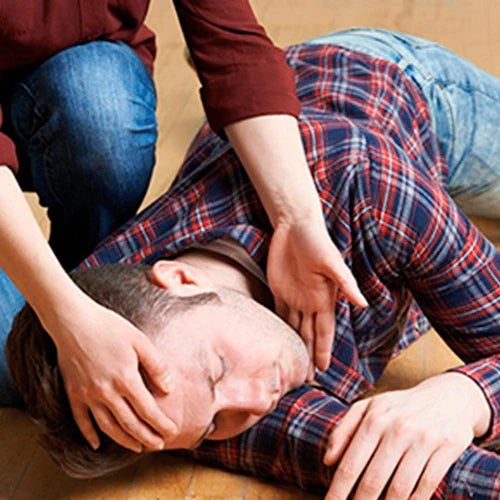
- Systematic assessment of an unwell patient
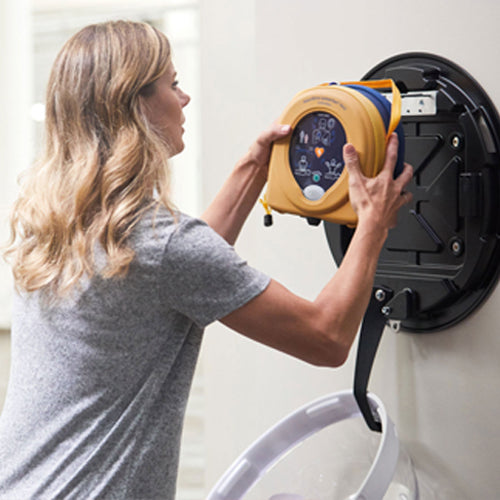
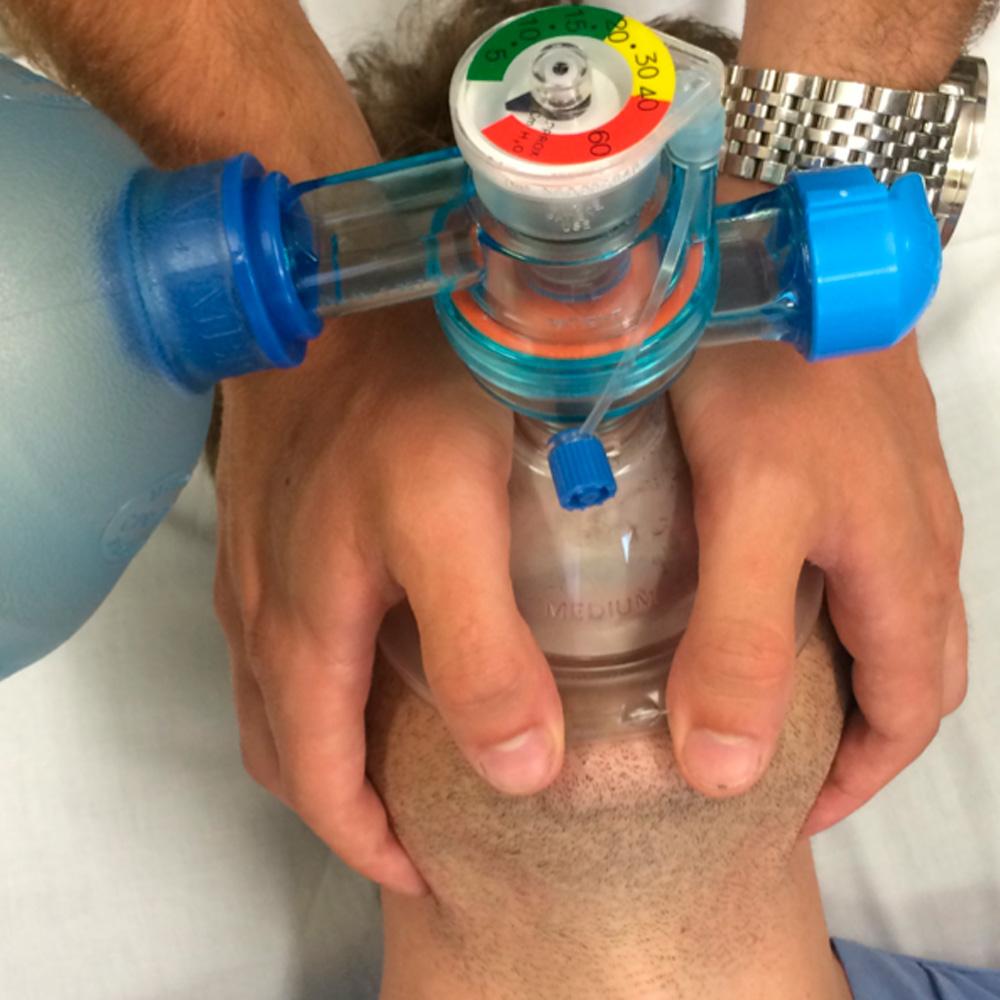
- Use and maintenance of emergency drugs and equipment
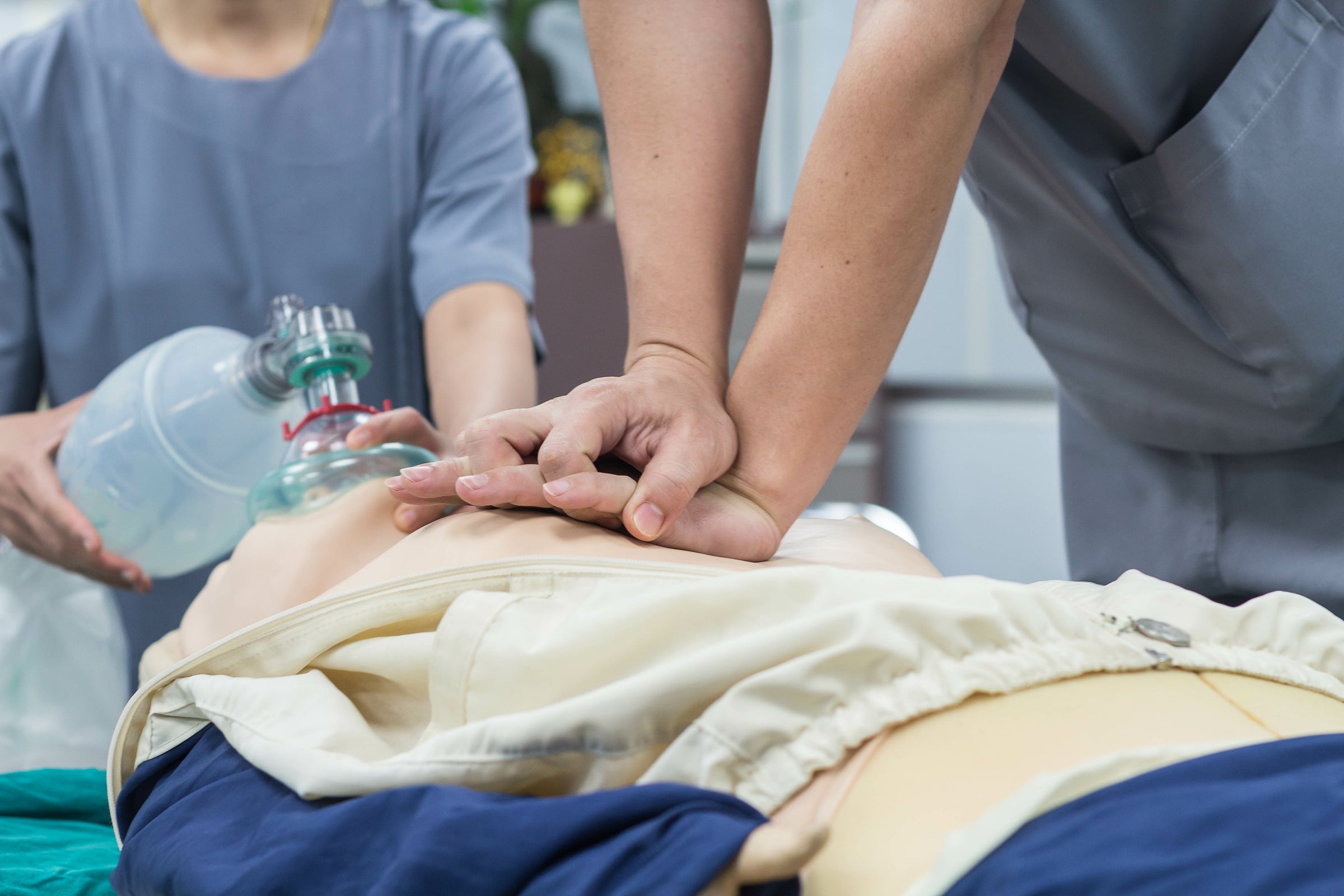
- Adult, child, and infant CPR techniques
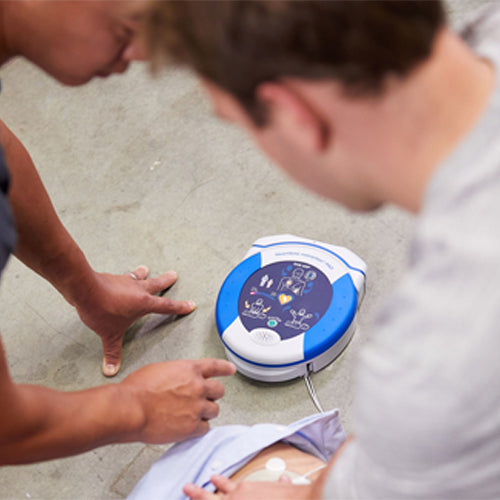
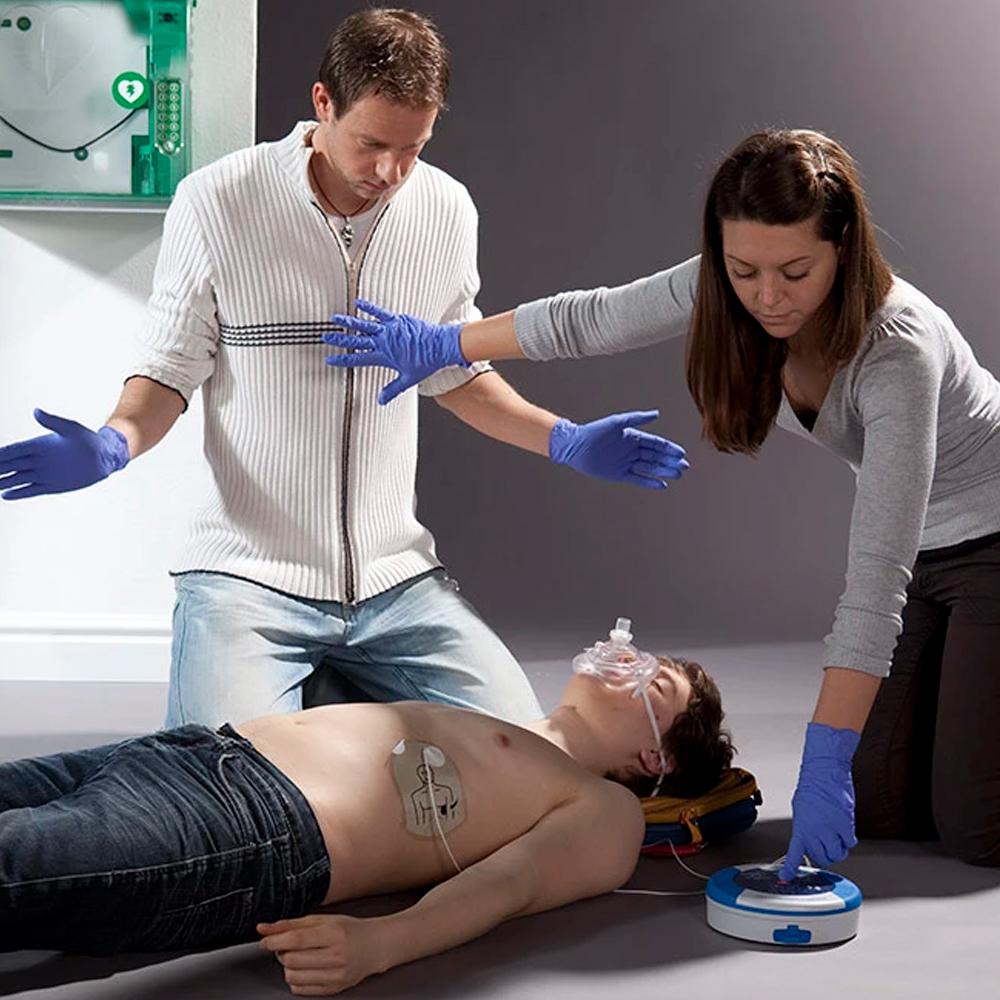
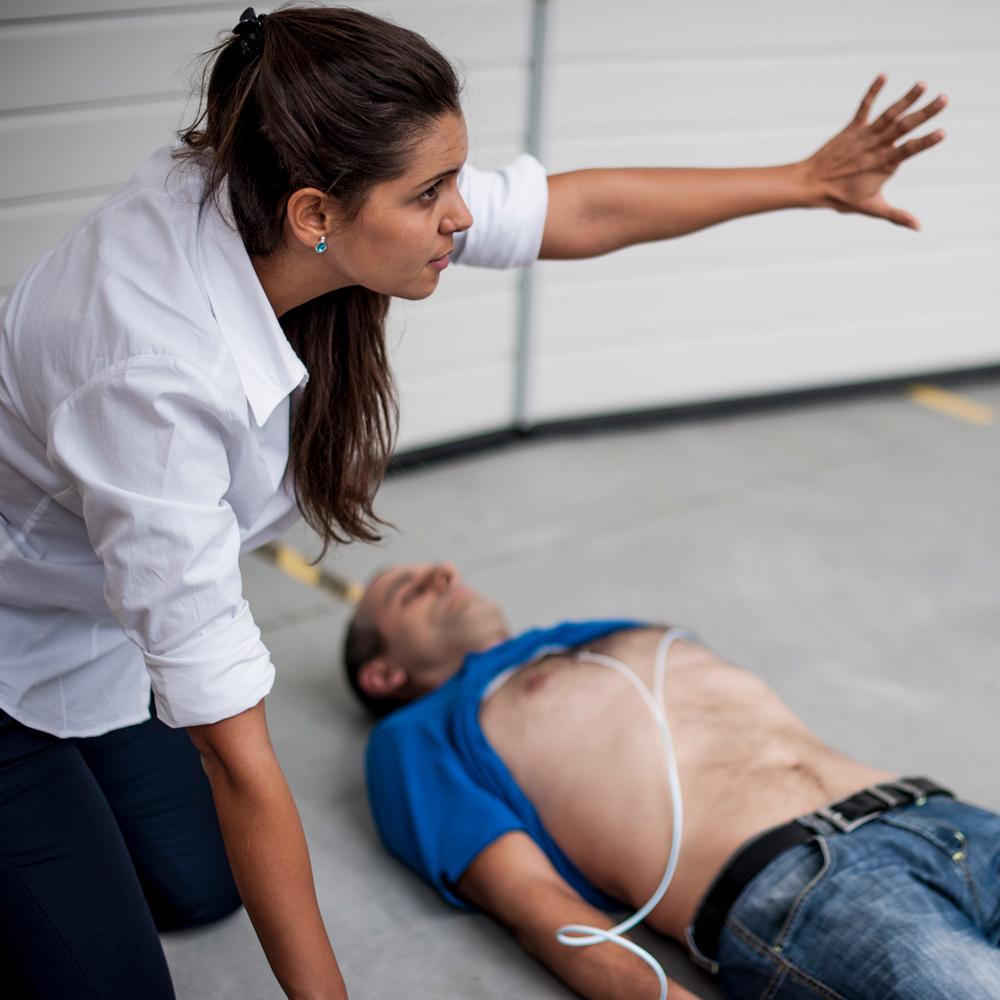
- Safe and effective use of an automated external defibrillator (AED)
- Management of conditions such as anaphylaxis, asthma attacks, seizures, syncope, choking, and diabetic emergencies
- Clear communication and role allocation within the dental team
Assessment, Certification & CPD Requirements
Assessment is designed to confirm both knowledge acquisition and practical competence. Learners complete structured assessments aligned with current clinical guidance, with a defined pass mark to ensure professional standards are met. Where required, retake opportunities are available to support successful completion.
Upon completion, delegates receive formal certification confirming enhanced CPD hours. The course is mapped to recognised professional outcomes and provides documented evidence suitable for regulatory compliance, appraisal portfolios, and continuing professional development records.
Course Aims
Educational and Clinical Objectives
The primary aim of this course is to enhance clinical preparedness for medical emergencies in dental environments. It seeks to develop robust clinical knowledge, strengthen practical emergency response skills, and improve confidence in managing high-risk situations. By reinforcing structured protocols and team-based responses, the course contributes directly to improved patient safety and professional assurance.
Learning Objectives
- Identify early signs and symptoms of medical emergencies in dental patients
- Assess and manage common medical emergencies using structured clinical approaches
- Apply appropriate first aid, life support, and emergency drug protocols
- Safely operate emergency equipment, including AEDs, within the dental setting
- Communicate effectively and allocate roles during emergency situations
- Demonstrate compliance with professional and regulatory expectations
Professional Development & Regulatory Alignment
GDC Development Outcome C
This course supports General Dental Council (GDC) Development Outcome C by enhancing skills in medical emergency management and patient safety. It contributes to ongoing professional development by ensuring dental teams remain competent, current, and confident in responding to medical incidents. Completion supports reflective practice, risk management, and continuous improvement in line with regulatory expectations for safe and effective dental care.
Frequently Asked Questions
Who is this course suitable for?
This course is suitable for all members of the dental team, including dentists, dental nurses, hygienists, therapists, and practice managers involved in patient care or emergency response.
Does this course meet GDC CPD requirements?
Yes, the course is aligned with GDC Development Outcome C and provides verifiable enhanced CPD suitable for regulatory compliance and professional portfolios.
Are medical emergencies in dental practices common?
Medical emergencies are relatively rare, but they can occur unexpectedly. Effective preparation is essential to ensure patient safety and appropriate clinical response.
What types of emergencies are covered in the course?
The course covers a wide range of medical emergencies, including cardiac events, anaphylaxis, asthma attacks, seizures, diabetic emergencies, syncope, choking, and stroke-related conditions.
Is practical training included?
Yes, the course includes practical, hands-on training to ensure participants can confidently apply emergency procedures and use equipment correctly.
How is competence assessed?
Competence is assessed through structured evaluation of knowledge and practical skills, ensuring learners meet defined professional standards.
Will I receive a certificate after completion?
Yes, successful completion results in a certificate confirming enhanced CPD hours and course completion for professional records.
How does this course improve patient safety?
By improving early recognition, structured response, and team coordination, the course reduces risk and supports safer clinical outcomes during medical emergencies.
Use collapsible tabs for more detailed information that will help customers make a purchasing decision.
Ex: Shipping and return policies, size guides, and other common questions.