
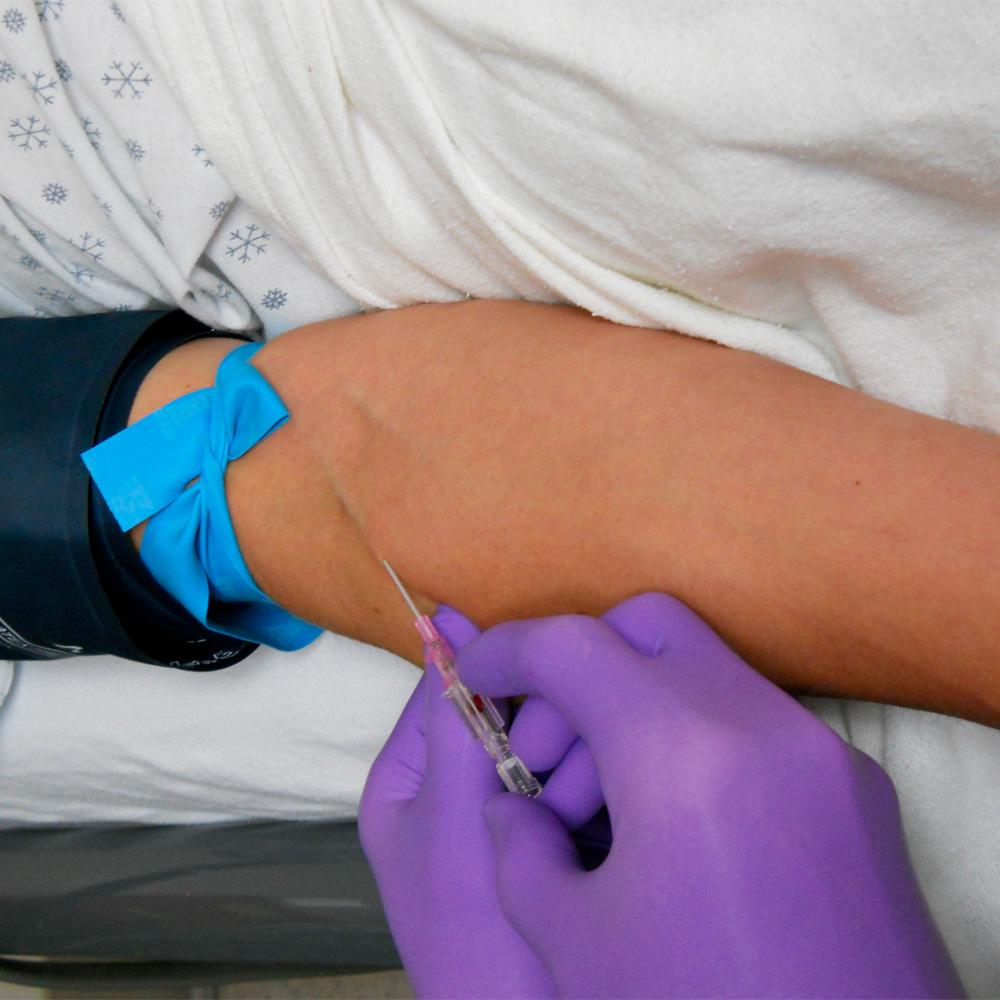
Sedation Awareness for Dental Teams (CPD-Accredited)
Sedation Awareness for Dental Teams (CPD-Accredited)
Sedation Awareness for Dental Teams is a clinically focused CPD course designed to prepare dental professionals to manage medical emergencies involving patients under conscious sedation. The training is centred entirely on emergency recognition, response, and patient safety, rather than the administration of sedation itself.
Medical emergencies during sedation are rare but potentially life-threatening. When they occur, outcomes depend on early recognition, clear team communication, and competent emergency management. This course addresses that critical risk area by focusing exclusively on emergency response within the dental setting.
Delivered by experienced medical instructors, the training uses realistic, practice-based scenarios to ensure learning is immediately applicable. By completing this course, dental professionals strengthen patient safety systems, reinforce team readiness, and demonstrate a proactive commitment to high clinical standards and continuing professional development.
About the Sedation Awareness Training Course
This course is aimed at dental professionals working in environments where conscious sedation is used, including dentists, dental nurses, dental hygienists, dental therapists, and practice managers with clinical oversight responsibilities. It is particularly relevant for teams supporting sedation providers or treating medically compromised patients.
The course concentrates on the identification and management of medical emergencies that may arise during treatment under sedation. Rather than teaching sedation techniques, it develops the practical and cognitive skills required when a patient’s condition deteriorates unexpectedly.
Training is grounded in realistic clinical scenarios that reflect everyday dental practice, reinforcing emergency protocols, defined team roles, and effective patient monitoring processes that support safer care and regulatory compliance.
What You’ll Learn in Sedation Emergency Management
Understanding Sedation-Related Emergencies
This section establishes a clear clinical foundation by defining conscious sedation and outlining how it alters patient physiology. Learners explore how sedated patients may present differently during illness or deterioration, including reduced protective reflexes and altered responses to hypoxia or hypoglycaemia. Emphasis is placed on early warning signs and escalation thresholds.
Clinical Relevance and Risk Factors
Participants examine why heightened vigilance is essential during sedation and which patients carry increased risk. Topics include medical history considerations, anxiety, co-morbidities, and medication interactions. Understanding these factors supports safer monitoring and timely intervention, reducing the likelihood of avoidable harm.
Practical Management and Best Practice
This applied section focuses on structured emergency response within the dental setting, including:
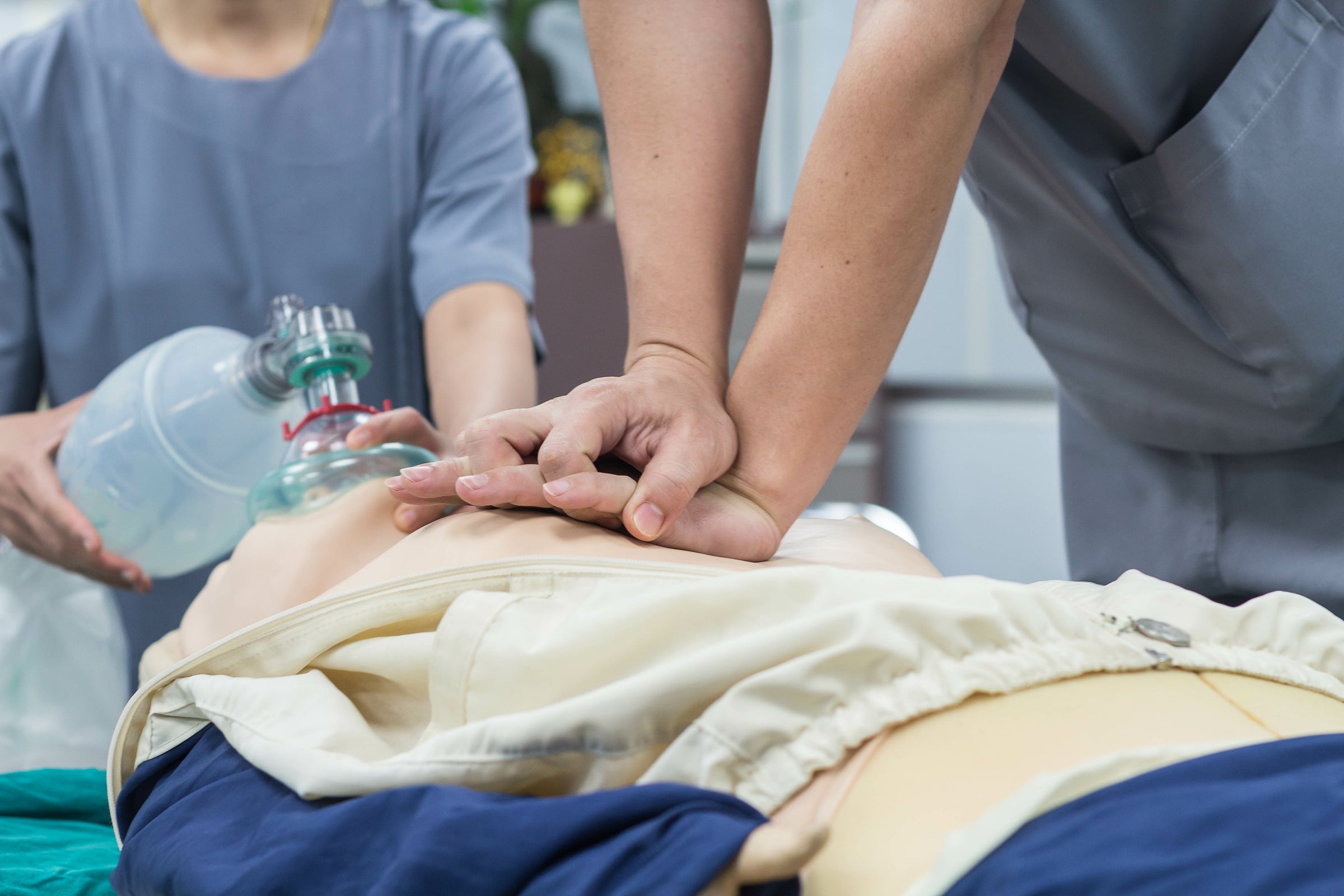
- Airway management using oxygen, bag-valve masks, oropharyngeal (OPA), nasopharyngeal (NPA), and supraglottic devices
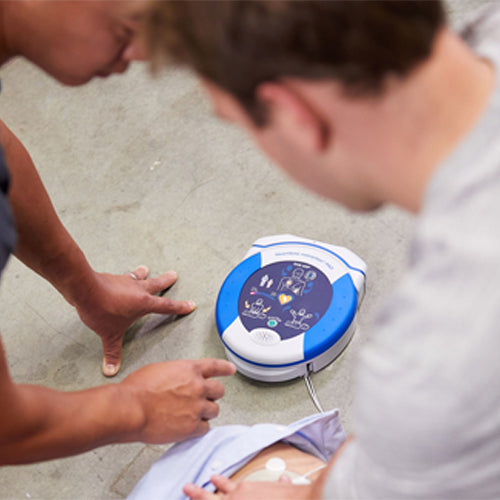
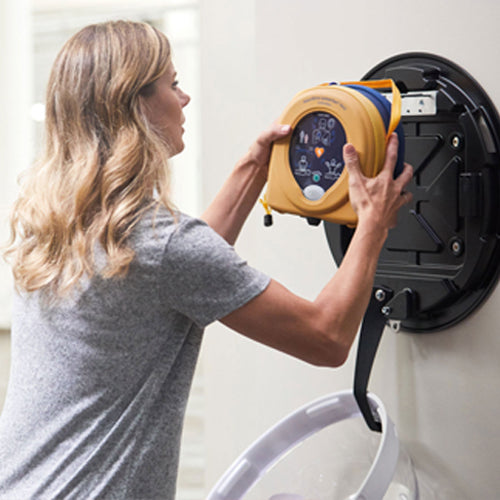
- High-quality cardiopulmonary resuscitation and use of an automated external defibrillator (AED)
- Patient monitoring, including blood glucose assessment during suspected diabetic emergencies
- Clear team communication, role allocation, and adherence to emergency protocols
- Scenario-based practice to build confidence and coordination under pressure
Assessment, Certification and CPD Requirements for Dental Teams
Assessment is completed through a structured knowledge check aligned with course learning outcomes and current clinical guidance. Participants must achieve the defined pass mark to demonstrate understanding of sedation-related emergency management principles.
If the pass standard is not met on the first attempt, a retake is available to support learning and competence development. On successful completion, participants receive a certificate suitable for inclusion in professional CPD records. The course structure supports reflective practice and ongoing skills maintenance.
Course Aims for Sedation Emergency Preparedness
Educational and Clinical Objectives
The aim of this course is to enhance patient safety by strengthening the dental team’s ability to manage emergencies during conscious sedation. It develops clinically relevant knowledge, reinforces practical emergency skills, and supports confident decision-making in high-pressure situations. Improved preparedness and team coordination contribute directly to safer care delivery and stronger clinical governance.
Learning Objectives for Managing Sedation-Related Emergencies
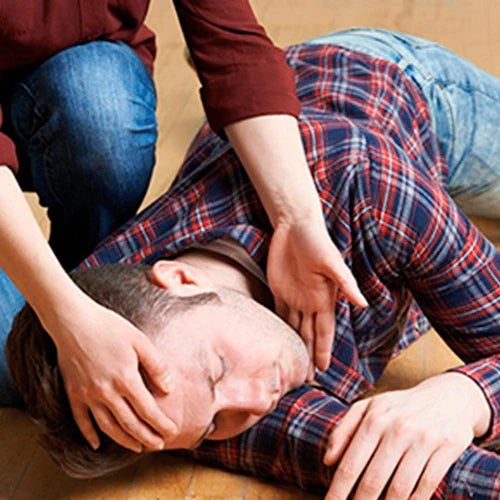
- Recognise early signs of medical deterioration in sedated patients
- Explain the physiological effects of conscious sedation relevant to emergency care
- Apply structured airway management techniques safely and effectively
- Perform high-quality CPR and operate an AED in a dental setting
- Use patient monitoring tools to identify common medical emergencies
- Respond appropriately within defined emergency protocols and team roles
Professional Development and GDC Regulatory Alignment
GDC / Relevant Regulatory Outcome
This course supports ongoing professional development in line with the expectations of the General Dental Council (GDC). It contributes to maintaining and enhancing clinical knowledge, managing medical emergencies, and working effectively within the dental team. Completion demonstrates engagement with patient safety, risk management, and reflective practice, underpinning regulatory compliance and high-quality dental care.
Sedation Awareness Training FAQs for Dental Professionals
Who should complete Sedation Awareness Training?
This course is suitable for all members of the dental team involved in treating or supporting patients under conscious sedation, including dentists, dental nurses, hygienists, and therapists.
Does this course teach how to administer conscious sedation?
No. The training focuses exclusively on managing medical emergencies during sedation and does not provide instruction or certification in sedation delivery.
Is this course relevant if I already hold ILS certification?
Yes. It acts as a focused refresher, applying emergency life support principles specifically to sedation-related scenarios in dental practice.
How is this course assessed?
Assessment is completed through a structured knowledge check aligned to learning outcomes, with a defined pass mark and retake option if required.
Will I receive a certificate on completion?
Yes. Successful participants receive a certificate suitable for CPD records and professional portfolios.
Does the training cover airway management equipment?
Yes. The course includes practical instruction on commonly used airway adjuncts and oxygen delivery systems relevant to dental emergencies.
Is the content aligned with UK dental regulations?
Yes. The course is written for UK dental professionals and aligns with recognised CPD expectations and regulatory standards.
How does this course improve patient safety?
By improving early recognition, emergency response skills, and team coordination, the course reduces risk and improves outcomes during sedation-related incidents.
Use collapsible tabs for more detailed information that will help customers make a purchasing decision.
Ex: Shipping and return policies, size guides, and other common questions.