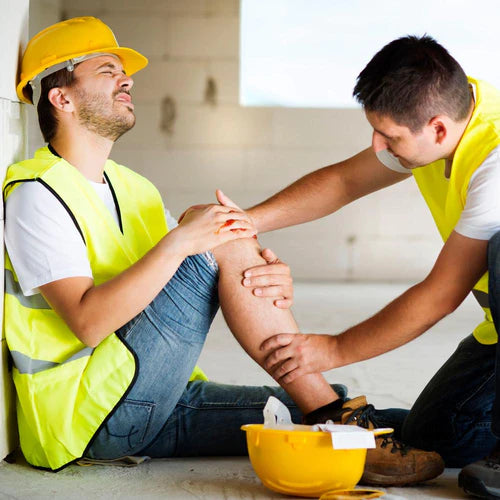


Sharps Safety and Injury Prevention – Online Dental CPD Course
Sharps Safety and Injury Prevention – Online Dental CPD Course
Learn How to Handle Sharps Safely, Prevent Injuries and Respond to Needlestick Incidents
Sharps injuries are a serious health and safety risk in dental practices. Needles, scalpel blades and other sharp instruments can cause injury and may expose staff to blood-borne infections.
Knowing how to handle and dispose of sharps safely is an important part of protecting yourself, your colleagues and your patients.
Our online Sharps Safety and Injury Prevention course helps dental professionals understand how sharps injuries happen, how to reduce the risk and what to do if an incident occurs.
The course also explains safer sharps equipment, UK health and safety requirements, and the importance of recording and reporting incidents correctly.
Course Overview
This online dental sharps safety course provides practical knowledge to help dental teams prevent sharps injuries and manage incidents safely.
It covers the main causes of sharps injuries, safe handling procedures, disposal requirements and the steps to follow after an injury.
During this course, you will learn about:
-
Sharps injuries: What they are and how they can happen in dental practice.
-
Common sharps hazards: Risks linked to needles, scalpel blades and other sharp instruments.
-
Safe handling techniques: How good working practices can help prevent injuries.
-
Sharps disposal: How to use suitable sharps containers and follow safe disposal procedures.
-
Safer sharps equipment: Why safety-engineered devices can help reduce the risk of injury.
-
Inoculation injuries: What they are and why they can present an infection risk.
-
Incident management: What to do immediately after a sharps injury and how to obtain appropriate medical advice.
-
Reporting and documentation: Why accurate records and prompt reporting are essential.
-
UK safety requirements: How relevant legislation and guidance, including HTM 01-05 in England, support safer dental practice.
This course helps dental teams build the knowledge needed to reduce sharps risks and respond appropriately when incidents occur.
Who Is This Sharps Safety Course For?
This online sharps safety training course is designed for dental professionals and team members who handle sharps or may be exposed to sharps hazards.
It is suitable for:
-
Dentists.
-
Dental nurses.
-
Dental hygienists.
-
Dental therapists.
-
Dental practice managers.
-
Decontamination staff.
-
Dental support staff.
-
Other members of the dental team who need sharps safety awareness.
The course is particularly useful for staff who handle needles, instruments or clinical waste as part of their work.
Why Is Sharps Safety Important in Dentistry?
Dental professionals regularly work with sharp instruments that can cause cuts or puncture wounds.
A sharps injury may expose a person to blood or other potentially infectious material. This can create a risk of infection and may require urgent medical assessment.
Sharps safety training helps dental teams:
-
Recognise common sharps hazards.
-
Reduce the risk of needlestick and other sharps injuries.
-
Follow safe handling and disposal procedures.
-
Understand the benefits of safer sharps devices.
-
Respond promptly if an injury occurs.
-
Report incidents and complete the correct documentation.
-
Support a safer working environment for staff and patients.
Preventing sharps injuries is an important part of infection prevention and control in dental practices.
Course Format and Assessment
This course includes a comprehensive coursebook followed by an online assessment.
You can study the course materials and use the feedback and reflection options to support your learning.
To pass the course, you must achieve 80% or higher in the assessment.
Once you pass, you can download your certificate for your CPD records.
If you do not pass on your first attempt, you can review the course materials and retake the assessment at no extra cost.
Course Aim
The aim of this course is to help dental professionals prevent sharps injuries by improving their awareness of sharps hazards, understanding safe working practices and learning how to respond correctly after an injury.
Learning Objectives
During this course, you will learn how to:
-
Understand sharps injuries: Explain what a sharps injury is and identify common causes in dental practice.
-
Follow safe working practices: Describe safe techniques for handling needles and other sharp instruments.
-
Dispose of sharps safely: Explain how to use sharps containers and follow correct disposal procedures.
-
Manage sharps incidents: Understand the immediate actions, reporting steps and medical follow-up needed after a sharps injury.
Learning Outcomes
By the end of this Sharps Safety and Injury Prevention course, you should be able to:
-
Define an inoculation injury and explain the health risks involved.
-
Recognise common causes of sharps injuries in dental practices.
-
Describe safe methods for handling and disposing of sharp instruments.
-
Explain the immediate steps to take following an inoculation injury.
-
Understand the legal requirements relating to safer sharps equipment.
-
Describe how safer sharps devices can help prevent injuries.
-
Recognise the importance of prompt incident reporting and medical assessment.
-
Identify the records and documentation needed to support staff and patient safety.
GDC Development Outcomes
GDC Development Outcomes: B and C
-
Outcome B – Effective Management: Supporting safe systems, teamwork and risk management in dental practice.
-
Outcome C – Maintenance and Development of Knowledge and Skills: Building the knowledge needed to support safe clinical practice and protect patients.
Frequently Asked Questions
What is a sharps injury in dentistry?
A sharps injury is a cut or puncture wound caused by a sharp object, such as a needle, scalpel blade or dental instrument. These injuries can expose staff to blood or other potentially infectious material.
What is an inoculation injury?
An inoculation injury occurs when potentially infectious material enters the body through an injury, such as a needlestick or cut. Exposure may also occur when blood or certain body fluids contact the eyes, mouth or broken skin.
How can sharps injuries be prevented in dental practices?
Sharps injuries can be reduced through safe handling techniques, suitable sharps containers, safer sharps devices, staff training and clear workplace procedures.
What should I do immediately after a needlestick injury?
Follow your workplace's exposure procedure immediately. For a puncture wound, encourage gentle bleeding without squeezing or sucking the wound, wash it with soap and running water, and cover it with a waterproof dressing. Report the injury and seek urgent medical assessment because time-sensitive treatment may be needed.
How should dental sharps be disposed of?
Used sharps should be placed directly into an appropriate, correctly assembled sharps container that is suitable for the waste type. Containers should not be overfilled and must be handled and disposed of according to local procedures and waste regulations.
What are safer sharps devices?
Safer sharps devices are designed to reduce the risk of injury. They may include safety needles or other equipment with built-in protective features.
Is sharps safety training required in UK dental practices?
Employers must provide suitable information, instruction and training to help staff work safely. Specific duties relating to sharps also apply under relevant health and safety legislation. Training should reflect the risks and tasks involved in each employee's role.
What records should be completed after a sharps injury?
The incident should be recorded according to the practice's reporting procedures. Records may include what happened, the type of injury, the equipment involved and the action taken. Some incidents may also require reporting under RIDDOR.
Does this course cover HTM 01-05 guidance?
Yes. The course includes sharps safety and infection prevention principles relevant to HTM 01-05, which provides decontamination guidance for primary care dental practices in England.
Will I receive a certificate after completing the course?
Yes. You can download your certificate after achieving a score of 80% or higher in the online assessment.
Can I retake the sharps safety assessment if I fail?
Yes. If you do not achieve the 80% pass mark, you can review the course content and retake the assessment at no extra cost.
Start Your Sharps Safety Training Today
Build your knowledge of sharps injury prevention, safe instrument handling and correct incident management.
Learn how to reduce risks, protect your dental team and support safer patient care.
Start your Sharps Safety and Injury Prevention online dental CPD course today and strengthen your workplace safety knowledge.
Use collapsible tabs for more detailed information that will help customers make a purchasing decision.
Ex: Shipping and return policies, size guides, and other common questions.